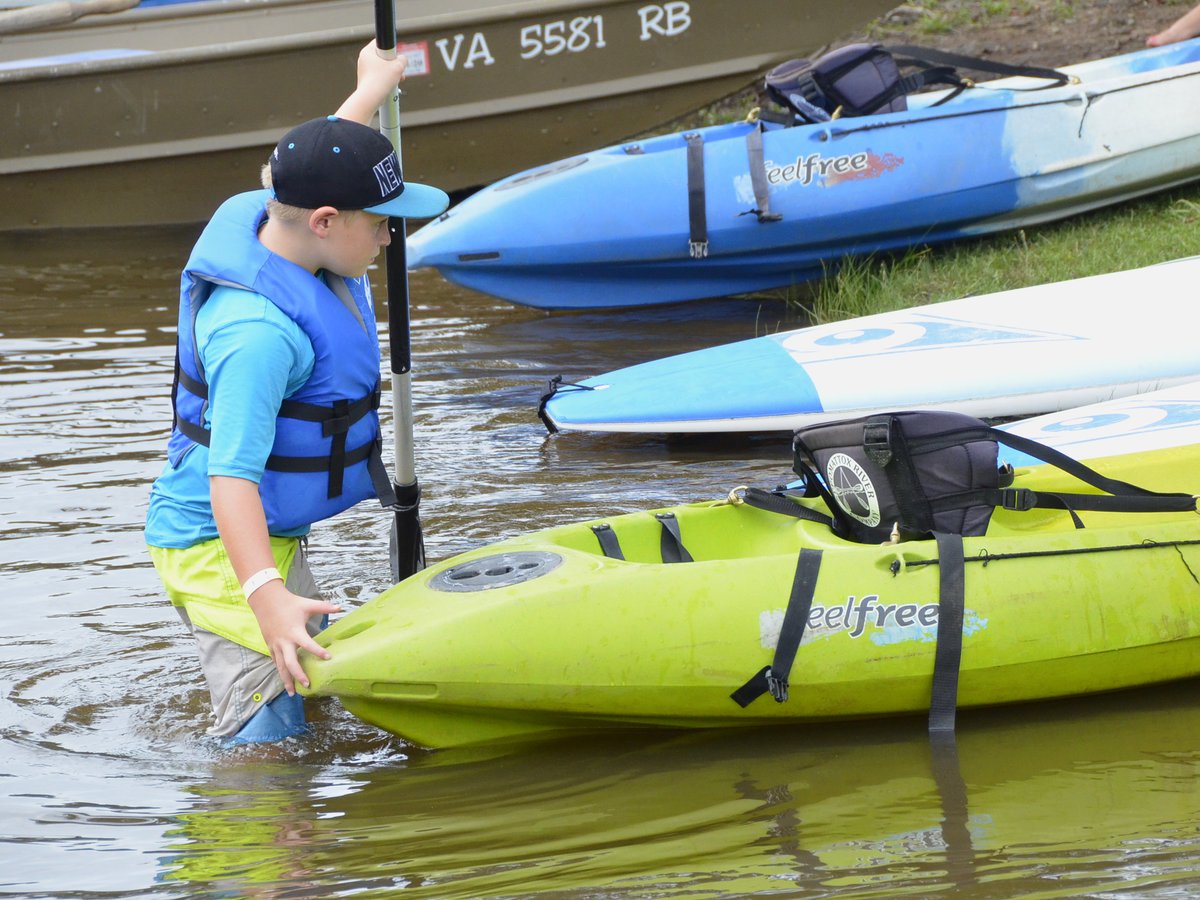
The two things you hold and wear decide whether the first season is pleasant. A paddle sized to you and the boat, and a life jacket cut so a kayak seat doesn't push it up under your ears, which is the only kind you'll keep on.
Paddle size
Bending Branches and Aqua-Bound publish the same chart. Find your boat's width, then your height. The paddle guide explains the rest.
Boat under 23 in
200–220 cm
200 under 5 ft; 210 to 5'6"; 220 above. Touring hulls, not the boats here.
Boat 23–27.75 in
210–230 cm
210 under 5 ft; 220 to 6 ft; 230 above. Narrow sit-insides.
Boat 28–32 in
220–240 cm
220 under 5 ft; 230 to 6 ft; 240 above. Most recreational boats on this site.
Boat over 32 in
230–250 cm
230 under 5 ft; 240 to 6 ft; 250 above. Fishing sit-on-tops and tandems.
Quick picks
The short answer for common situations. Each links to the full card below.
A collar, a grab handle and a crotch strap; sized by weight.
Compare the eight
Weights, sizes and flotation from each maker's page. Where a maker doesn't print the Coast Guard type or the buoyancy on its product page, the label on the vest does, and the card says it isn't published.
Product links on this page go to Amazon. If you buy through them, Your First Kayak earns a commission. How we pick and earn
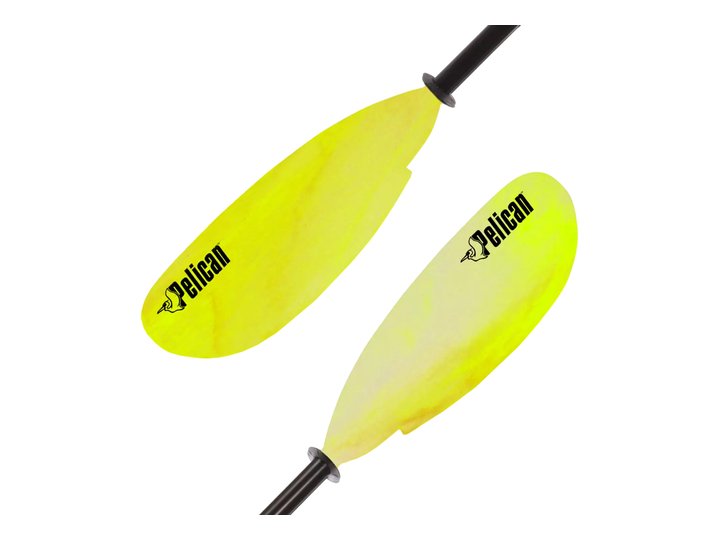
The default starter paddle: a two-piece aluminium shaft, fibreglass-reinforced polypropylene blades, feather adjustment to 65°, and drip rings, in the 230 cm length that fits most recreational boats.
Length
230 cm (90.5 in)
Weight
39 oz
Shaft
2-piece aluminium, push-button
Blades
Fibreglass-reinforced polypropylene
Feather
0–65°
Suits: The paddle to buy with any boat that doesn't include one, and the one to replace an included paddle with.
Weigh: Thirty-nine ounces is heavy; you feel it after an hour. One length on this listing. Amazon calls the blades fibreglass; Pelican says fibreglass-reinforced polypropylene.
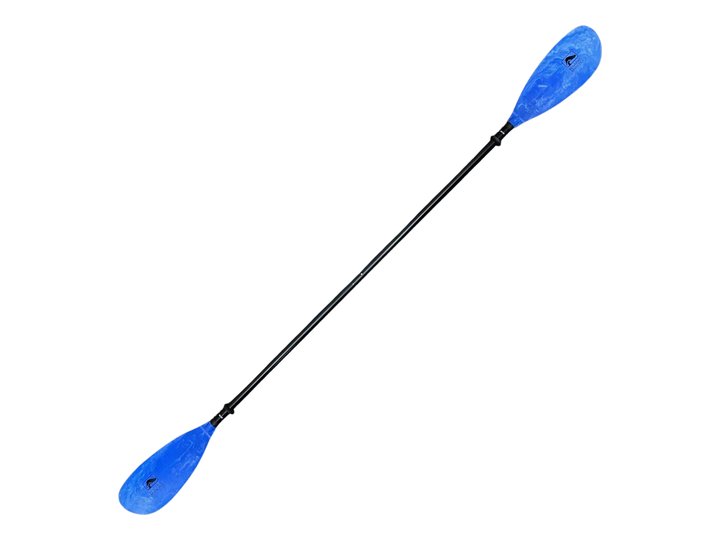
A recreational paddle from the Wisconsin maker: aluminium shaft, polypropylene blades, 0° or 60° feather, in 220, 230 and 240 cm.
Lengths
220 / 230 / 240 cm
Weight
38 oz (1,049 g)
Shaft
Aluminium
Blades
Polypropylene, 6.75 × 18 in
Feather
0° or 60°, left or right
Suits: The same job as the Poseidon from a company that makes nothing but paddles.
Weigh: Same 38 oz weight class as the Pelican. Only two feather positions. This listing's size field and model code disagree (230 vs 220); check the length in the cart. Amazon's "16 ounces" is wrong.
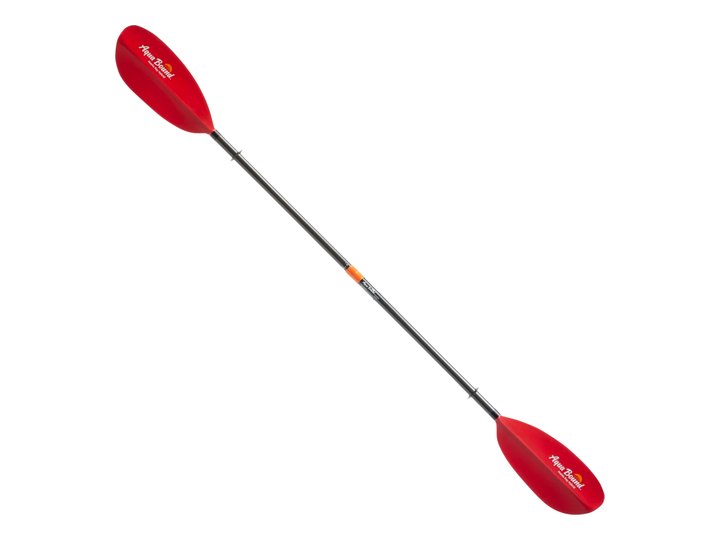
The upgrade paddle: a carbon shaft with fibreglass-reinforced nylon blades at 31 ounces, a Posi-Lok ferrule that feathers in 15° steps, in six lengths. The high-angle blade suits wider boats and stronger strokes.
Suits: The second paddle, or the first for someone who already knows the aluminium one will hurt.
Weigh: Pick the length from the sizing chart, not the longest; 250 cm is for boats over 32 in wide or paddlers over six feet. The low-angle Sting Ray version was out of stock on the check date.
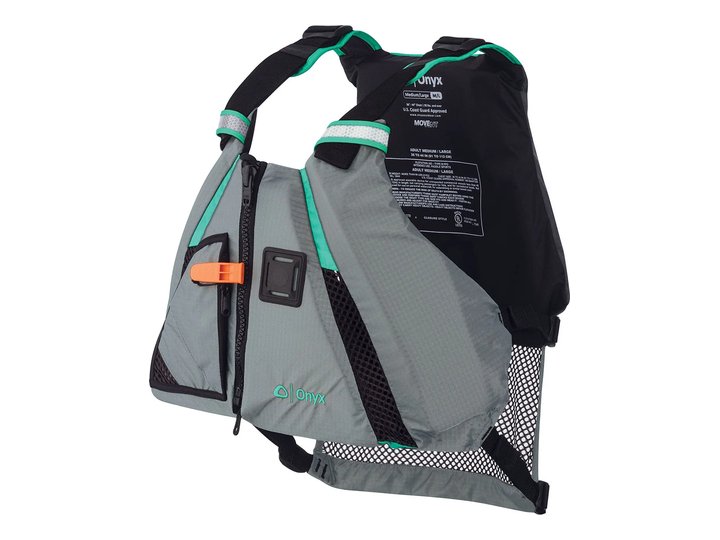
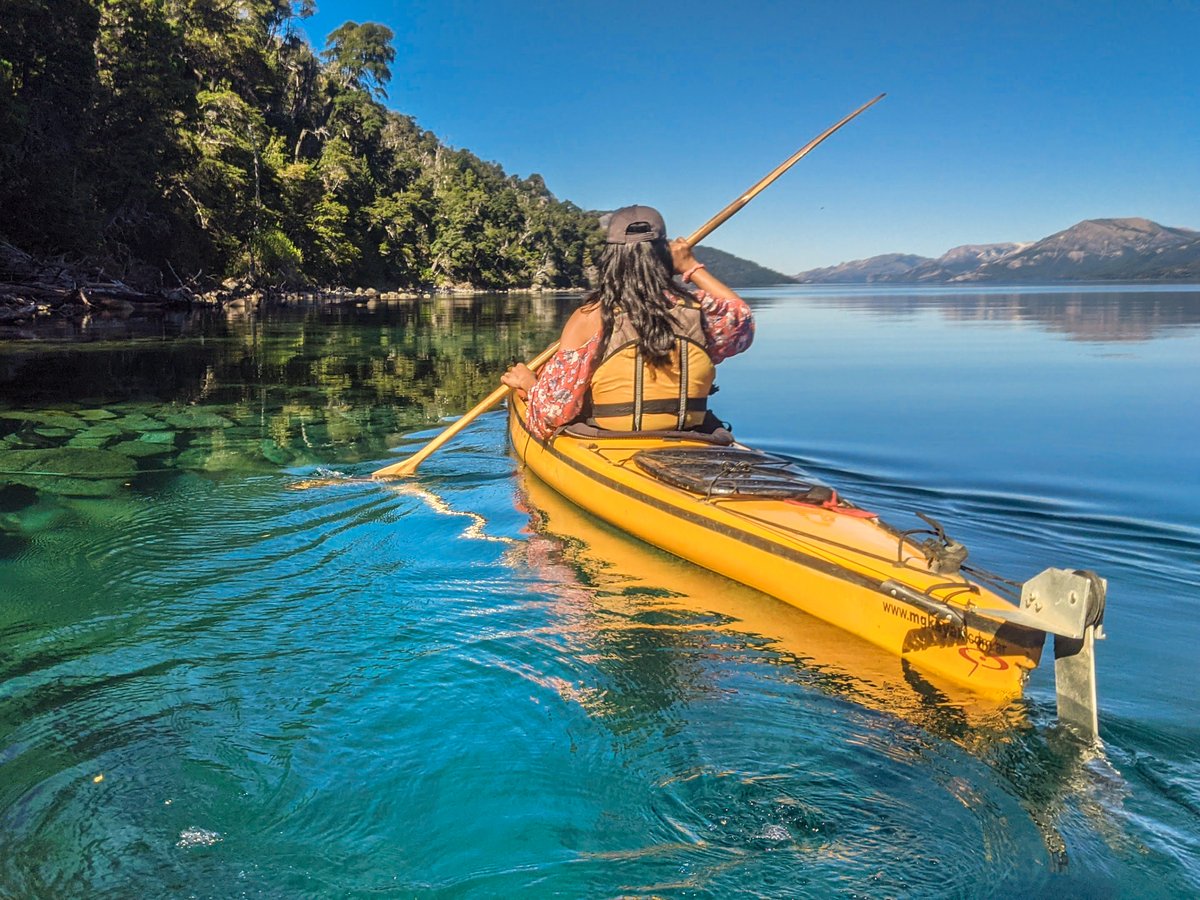
The paddling vest most beginners end up in: a low mesh back that clears a kayak seat, mesh ventilation front and back, a zip pocket, reflective trim, and a whistle on a lanyard, US Coast Guard approved.
Approval
US Coast Guard approved (maker)
Fit
Mesh lower back for kayak seats
Sizes
XS/S 28–36 in; M/L 36–44; XL/2XL 44–56 (listing)
Extras
Zip pocket, SOLAS reflective, whistle
Shell
Nylon ripstop
Suits: Anyone in a sit-on-top or sit-inside; the life jacket you will keep on because it doesn't fight the seat.
Weigh: Onyx doesn't publish the buoyancy or the Type/Level on the product page; the label does. Sizes run XS/S 28–36 in, M/L 36–44, XL/2XL 44–56 (listing chart), all for 90 lb and over. This listing is M/L; other sizes are separate listings.
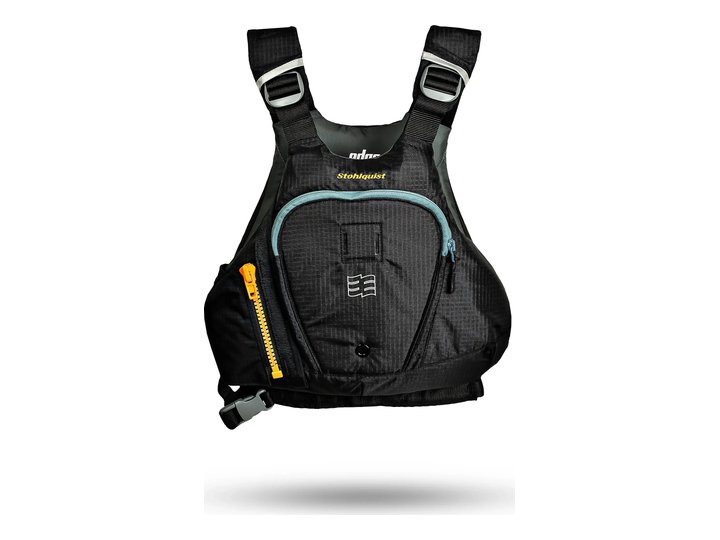
A low-profile paddling vest in real sizes rather than one-size, with soft foam that shapes to you, from the maker whose vests outfitters buy by the dozen.
Suits: Someone the one-size vests don't fit, and anyone who wants a slimmer cut.
Weigh: This listing is L/XL (40–46 in chest); S/M and 2XL are separate listings. Stohlquist labels it Type III; the Amazon title says Level 70, the newer label wording for the same approval. Stock was thin on the check date.
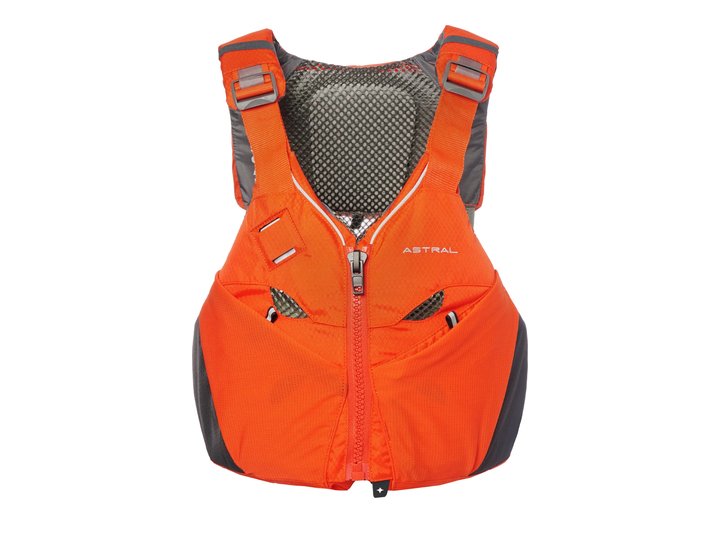
The vest for August: most of the back is open mesh above a kayak seat, 16 lb of flotation in foam made without PVC, a YKK zip, under a pound and a half, USCG Type III.
Approval
USCG Type III
Flotation
16 lb
Weight
1.46 lb
Foam
Gaia foam, no PVC
Sizes
S/M 31–37 in; M/L 38–44; L/XL 45–51
Suits: Hot climates and long days; the fishing version adds pockets and a rod loop.
Weigh: This listing is M/L (38–44 in); S/M and L/XL are separate listings. Premium price for a life jacket. Stock was thin on the check date.
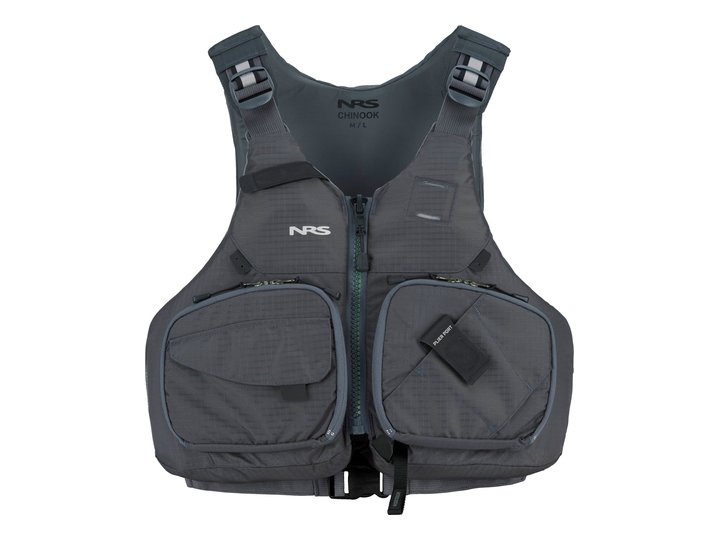
The fishing vest: three front pockets, a lash tab for pliers, six adjustment points, 420-denier ripstop, and 15.75 lb of design flotation in M/L.
Approval
USCG Type III
Flotation
14.6 lb (XS/M); 15.75 lb (M/L, XL/XXL)
Shell
420-denier ripstop nylon
Pockets
3 front, 1 lash tab
Sizes
XS/M 30–38 in; M/L 36–46; XL/XXL 44–56
Suits: The angler who would otherwise leave the life jacket in the hatch.
Weigh: Amazon's bullet says 16.5 lb of flotation; NRS says 14.6 (XS/M) and 15.75 (M/L, XL/XXL). This listing is M/L (36–46 in). Stock was thin on the check date.
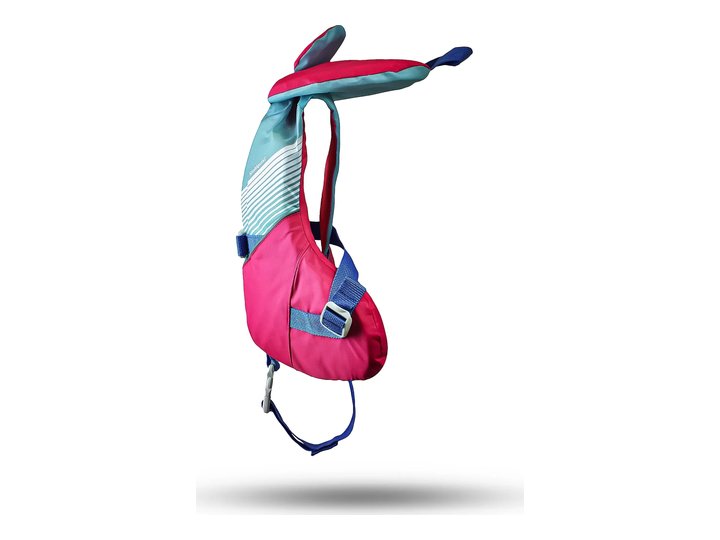
A child's vest with a flotation collar, a grab handle and a crotch strap so it stays on, for children of 30 to 50 pounds, USCG Type III.
Approval
USCG Type III
Child weight
30–50 lb
Features
Flotation collar, grab handle, crotch strap
Suits: The passenger in the centre seat. Federal rules require children under 13 to wear one on a moving boat.
Weigh: Sized by weight, not age; a child over 50 lb needs the youth size. The infant version (under 30 lb) is a Type II with a face-up collar, a separate listing.
Federal rules require at least one wearable life jacket per person on board, used as its label says, and every child under 13 wearing one while the boat is under way (33 CFR 175.15). The reason is in the Coast Guard's own count: in 2024 it recorded 89 deaths in kayaks, 87 percent of them drownings, and across all boating, where life jacket use was known, 87 percent of those who drowned were not wearing one. A vest in the hatch is the one that was not worn.
A paddling vest differs from a boating vest in one way that matters: the flotation sits high and the lower back is thin mesh, so the seat back doesn't shove it up. That's why every vest here is cut for paddling. Life jackets and cold water has the rest, including why the water temperature matters more than the air.